EN ISO 13849 Explained: Machine Safety Standard for Industrial Automation
What is EN ISO 13849?
International Organization for Standardization standard EN ISO 13849 is one of the most important machine safety regulations used in industrial automation and machine protection systems. It defines the safety-related parts of control systems and determines how reliable and safe a machine safety function must be.
This standard is widely used in:
- Press machines
- CNC machinery
- Packaging systems
- Robotic production lines
- Automatic doors
- Conveyor systems
- Safety light curtains
- Emergency stop systems
Manufacturers, system integrators, and factory automation engineers use EN ISO 13849 to reduce accident risks and improve operator safety.
Why is EN ISO 13849 Important?
Industrial machines can create serious hazards if a safety system fails. EN ISO 13849 helps engineers evaluate the reliability of safety functions and minimize dangerous failures.
The standard focuses on:
- Risk assessment
- Safety architecture
- Diagnostic coverage
- Reliability calculation
- Probability of dangerous failures
Its primary goal is simple:
Ensure that machine safety systems continue protecting operators even if certain components fail.
What is Performance Level (PL)?
One of the key concepts in EN ISO 13849 is the Performance Level (PL).
Performance Levels are classified from:
- PL a → Lowest safety performance
- PL b
- PL c
- PL d
- PL e → Highest safety performance
Higher-risk machines require higher PL ratings.
For example:
- Simple low-risk applications may require PL c
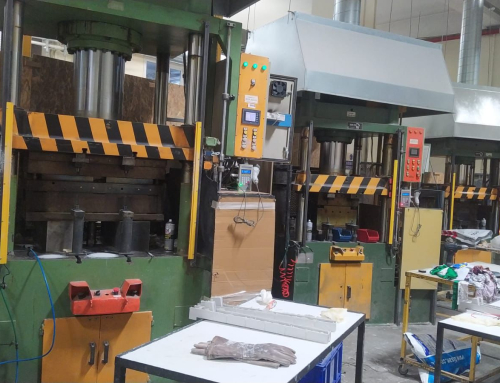
- Hydraulic press machines often require PL d or PL e
EN ISO 13849 and Safety Light Curtains
Safety light curtains are commonly used to achieve PL d or PL e machine protection.
A Type 4 safety light curtain combined with a properly designed safety controller can help machines comply with EN ISO 13849 requirements.
Typical applications include:
- Press brake protection
- Robotic cell safety
- Cutting machine protection
- Automated assembly lines
- Packaging machinery
Industrial safety sensors monitor hazardous zones and stop dangerous machine movement instantly when an operator enters the protected area.
Category Levels in EN ISO 13849
The standard also defines safety categories:
| Category | Description |
|---|---|
| B | Basic safety principles |
| 1 | Reliable components |
| 2 | Periodic testing |
| 3 | Redundant design |
| 4 | High fault tolerance |
Category 3 and Category 4 systems are commonly used in advanced industrial safety applications.
EN ISO 13849 vs IEC 62061
Both standards are used in machine safety engineering.
EN ISO 13849
- Easier for mechanical machine systems
- Uses Performance Level (PL)
- Common in factory automation
IEC 62061
- More complex electrical/electronic systems
- Uses SIL (Safety Integrity Level)
- Common in large automation projects
Many industrial safety products support both standards.
How to Achieve EN ISO 13849 Compliance
To comply with EN ISO 13849, manufacturers typically follow these steps:
- Perform machine risk assessment
- Determine required Performance Level (PLr)
- Select certified safety components
- Design redundant safety architecture
- Validate the safety system
- Document calculations and testing
Using certified safety sensors, safety relays, and safety light curtains significantly simplifies compliance.
Safety Light Curtains for EN ISO 13849 Applications
Modern industrial safety light curtains are designed for:
- Finger protection
- Hand protection
- Access protection
- Perimeter guarding
- Harsh industrial environments
High-quality systems provide:
- Fast response times
- OSSD outputs
- Short-circuit protection
- High EMC resistance
- IP-rated industrial protection
These features help achieve higher Performance Levels in machine safety applications.
Conclusion
EN ISO 13849 is one of the most critical standards in industrial machine safety. It helps manufacturers create safer automation systems while meeting international compliance requirements.
For machine builders and factory automation companies, using certified safety components such as safety light curtains and industrial safety sensors is essential for reducing risks and achieving reliable protection performance.
If you are designing a machine safety system, understanding EN ISO 13849 requirements is a key step toward safer and globally compliant industrial automation solutions.