How to Choose a Safety Light Curtain for Industrial Machines
What is a Safety Light Curtain?
A safety light curtain is an industrial machine safety device designed to protect operators from dangerous machine movements. It creates an invisible infrared safety barrier that immediately stops machine operation when the protected area is interrupted.
Safety light curtains are widely used in:
- Press machines
- CNC systems
- Robotic cells
- Packaging machinery
- Conveyor systems
- Automatic production lines
Modern industrial automation systems rely on safety light curtains to improve operator protection while maintaining high production efficiency.
Why Choosing the Right Safety Light Curtain Matters
Selecting the wrong safety light curtain can lead to:
- Unsafe machine operation
- Compliance failures
- Production downtime
- False triggering problems
- Increased maintenance costs
Choosing the correct model ensures:
- Reliable operator protection
- Compliance with international safety standards
- Stable machine performance
- Reduced accident risk
1. Determine the Required Safety Level
Before selecting a safety light curtain, you must evaluate the machine risk level.
Many industrial applications require compliance with:
- International Organization for Standardization EN ISO 13849
- IEC 61496
- CE machine safety regulations
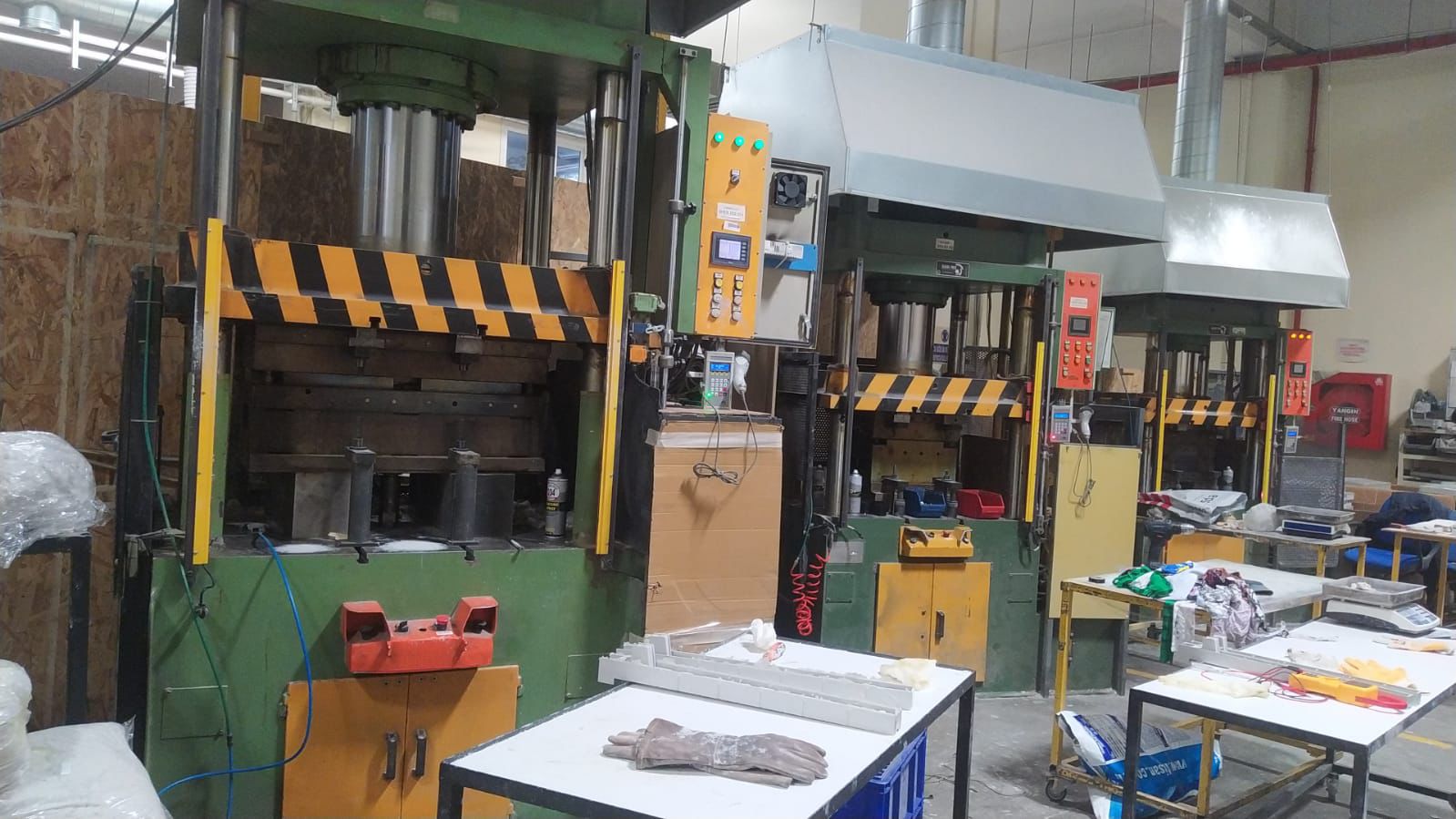
High-risk machines such as hydraulic presses often require:
- Performance Level PL d or PL e
- Type 4 safety light curtains
Lower-risk applications may use:
- Type 2 safety light curtains
2. Choose the Correct Resolution
Resolution determines what size object the light curtain can detect.
Finger Protection
Typically:
- 14 mm resolution
Used for:
- Small hazardous areas
- Precision machinery
Hand Protection
Typically:
- 20 mm to 30 mm resolution
Used for:
- Medium-risk machines
- General industrial equipment
Body Protection
Typically:
- 40 mm or higher
Used for:
- Access control
- Perimeter guarding
Choosing the proper resolution is critical for operator safety compliance.
3. Select the Appropriate Protection Height
Protection height refers to the active sensing area of the safety light curtain.
Common heights include:
- 160 mm
- 320 mm
- 640 mm
- 960 mm
- 1200 mm
- 1800 mm
The correct height depends on:
- Machine opening size
- Operator access points
- Hazard zone dimensions
4. Check the Operating Distance
Safety light curtains are available with different sensing distances.
Typical operating ranges:
- Short range: 0–3 meters
- Medium range: 0–10 meters
- Long range: 0–20 meters
Longer distances are often required for:
- Large industrial machinery
- Conveyor systems
- Robotic production cells
5. Consider Environmental Conditions
Industrial environments can be challenging.
Choose a safety light curtain with:
- High EMC resistance
- Dust protection
- Water resistance
- Vibration resistance
- Stable operation under sunlight or welding interference
For harsh environments, IP65 or IP67 protection ratings are highly recommended.
6. Evaluate Response Time
Fast response time is essential for machine safety.
A shorter response time:
- Reduces stopping distance
- Improves operator protection
- Supports compliance with safety standards
High-speed machines require faster safety systems.
7. Verify Safety Outputs and Integration
Modern safety light curtains usually include:
- OSSD safety outputs
- EDM monitoring
- Muting functions
- Blanking functions
- Safety relay compatibility
Make sure the system integrates properly with:
- PLC systems
- Safety relays
- Machine controllers
8. Choose Certified Industrial Safety Products
Always use certified industrial safety components from reliable manufacturers.
Certified safety light curtains help simplify:
- CE certification
- Risk assessment
- EN ISO 13849 compliance
- Machine safety validation
Applications of Safety Light Curtains
Safety light curtains are commonly used for:
- Press machine protection
- CNC safety systems
- Robot cell protection
- Packaging machine safety
- Conveyor access protection
- Automatic door safety systems
They are one of the most effective solutions for industrial operator protection.
Conclusion
Choosing the right safety light curtain is critical for both machine safety and production efficiency.
The correct selection depends on:
- Machine risk level
- Required Performance Level
- Detection resolution
- Protection height
- Operating environment
- Safety certification requirements
High-quality industrial safety light curtains help manufacturers create safer, more reliable, and internationally compliant automation systems.